Protocol for 20 kg of excess weight.
Protocol duration: 12 weeksTwenty extra kilos aren't carried only on the scales. They're carried on overloaded knees and an aching back, in shops where we don't pick what we like but what best hides our flaws, in our self-confidence and in the guilt every time we eat something sweet. We carry them in the thrill of losing the first 5 kg and the disappointment of putting them back on.
Still, the main culprit isn't a lack of discipline but our body, which makes all of this harder. Fat tissue is also an endocrine organ: it releases hormones and inflammatory substances that affect appetite, satiety and insulin sensitivity, so the more of it there is, the more easily the body stores and the harder it lets go of reserves. That's why most people with 20 extra kilos spend years in a vicious circle of losing and regaining the same weight.
That's why this protocol works on appetite, hormones, muscle mass and habits at the same time.
We didn't like the system.
So we built our own.
Working in hospitals, we witnessed every shortcoming of the healthcare system. Appointments are so short that it's hard to give an individual full attention. At first everything is "clear" to patients, and then back home they remember all kinds of follow-up questions and look for answers online. When the check-up comes, the patient can't remember when, how and under what conditions a symptom appeared, so medical professionals are often left to guess.
So we replaced guesses with data. Instead of one appointment a month, the expert team is available for all 12 weeks of the protocol. Appetite, bloating, changes and symptoms are logged daily and linked to your meals, sleep, cycle, diagnosis and deviations, building a map of your body that makes the protocol more effective day by day.
Internal statistics: thanks to treating the cause, protocol patients achieve results up to 30% faster than those on classic weight-loss programs.




Meet the team for the 2026/2027 season
No templates. No ready-made diets.
Fast, practical, tailored to you.
Picture a blank sheet. That's what your program looks like on the day it's made. Then the team sits down and, based on your history, lab results and goals, food by food, meal by meal, method by method, puts together a protocol that leaves nothing to chance.
A food is too expensive? You mark it and we don't use it. Don't like cauliflower? It's not on your menu. Don't want exotic ingredients? We skip them. Working demanding shifts? We fit meals around your working hours. Our focus is sustainability in real life, not theoretical perfection.
Internal statistics: thanks to this method, 94 out of 100 Atika clients resist breaking the regime and reach their monthly goal.
You log symptoms and meals in the app. The team sees every entry.
A check-in measurement. If something isn't going to plan, we change it.
Seven new menus, so you don't plateau.
Why does the yo-yo effect happen?
And how we prevent it.
For ten years we recorded why people go back to old habits and analysed concrete life situations in which it's hard to stay consistent. Over the years our psychology team singled out the methods with the highest success rate in practice and dropped those without it.
That's how our library of habit-change tasks came about, based on cognitive behavioural therapy (CBT), working on emotional eating, recognizing triggers, consistency and a healthy relationship with food. They run through the whole app, so working on yourself isn't one more burden but an adventure in which you collect points, level up and win rewards for progress.
Internal statistics: patients who regularly do the psychological challenges return to old habits three times less often than those who only follow the diet and training.
An app that remembers for you.
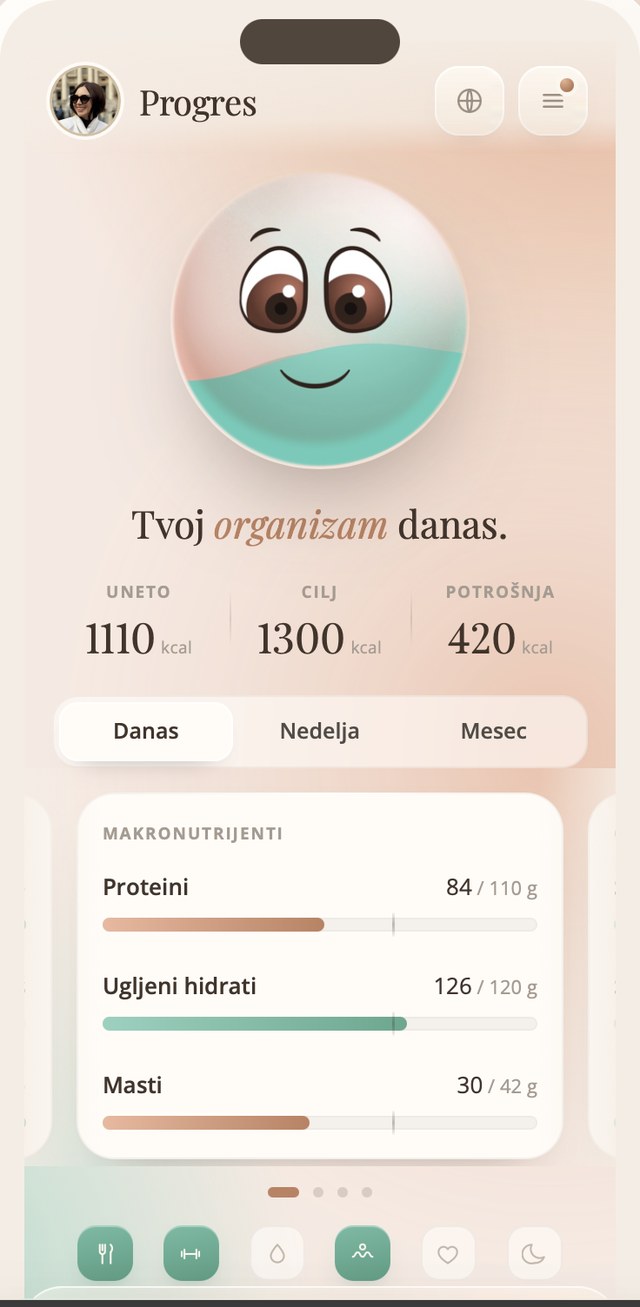
- logs the intensity and type of hunger during the day
- separates emotional from physical hunger
- detects changes in digestion and cycle
- challenges for better discipline
- analyses how each meal affects you
- remembers progress week after week
Why 12 weeks?
Phase 1, weeks 1 to 4. Hunger is calmed first: meals are spread out, protein and fibre intake goes up, and sharp rises and drops in blood sugar are removed, because they push hardest towards overeating. The kilos usually go fastest in this phase, partly because of water and glycogen stores. Look: less bloating, a flatter belly, a narrower waist.
Phase 2, weeks 5 to 8. A deficit the body can handle is introduced, with activity adapted to your joints, because with more excess weight the knees and back carry the most. At the same time we work on building muscle, because it speeds up weight loss and changes the shape of the body. When the pace slows, the plan changes every 14 days, so a plateau doesn't drag on. Look: smaller waist, hip and arm measurements.
Phase 3, weeks 9 to 12. Habits that protect the result are locked in and the next step is prepared, because with this much excess weight the goal is reached over several cycles, not in twelve weeks. We compare your lab results with the initial ones and see what has moved. Look: a visibly slimmer body, better fitness, steadier energy.
Fifteen years without marketing. Our patients do the talking.
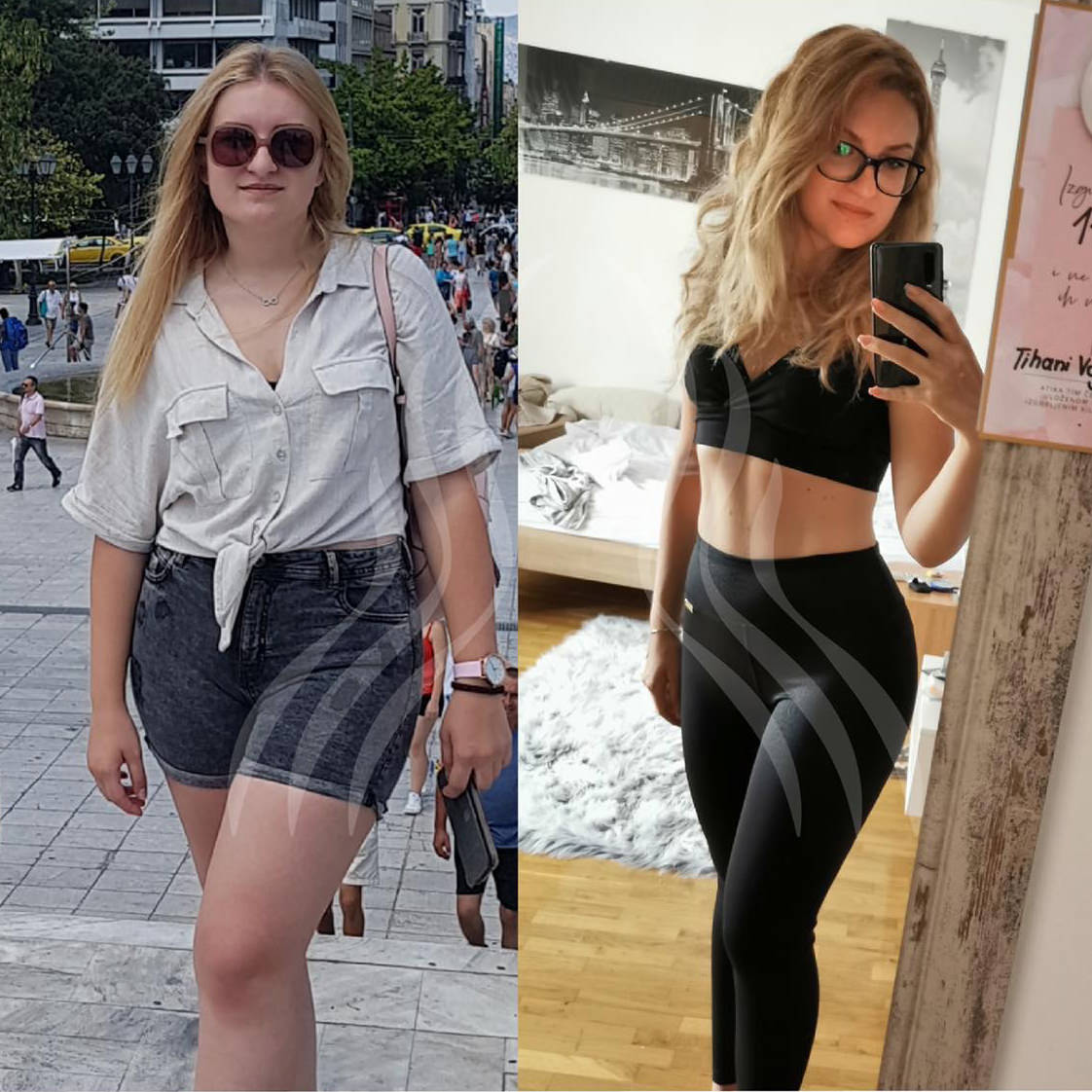
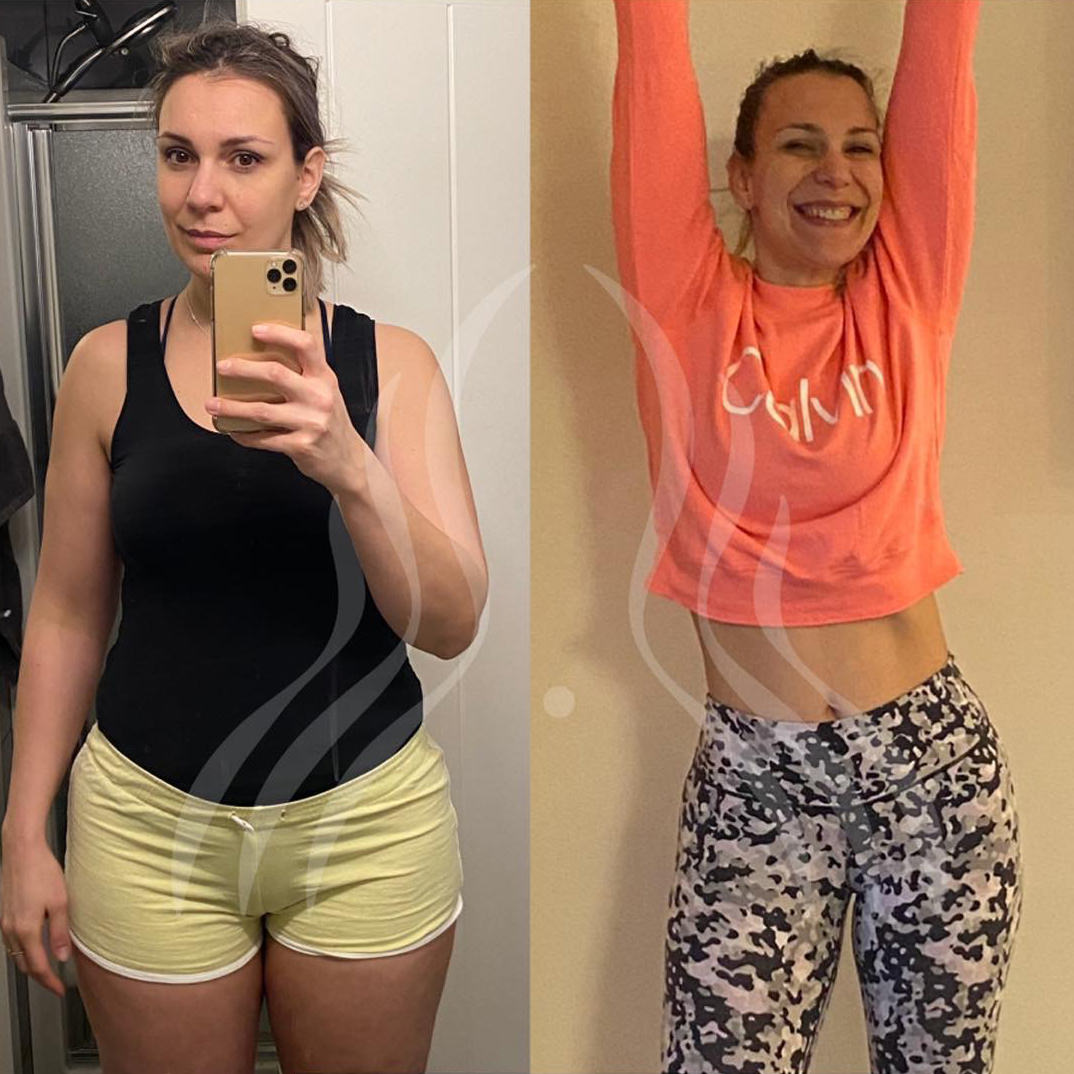
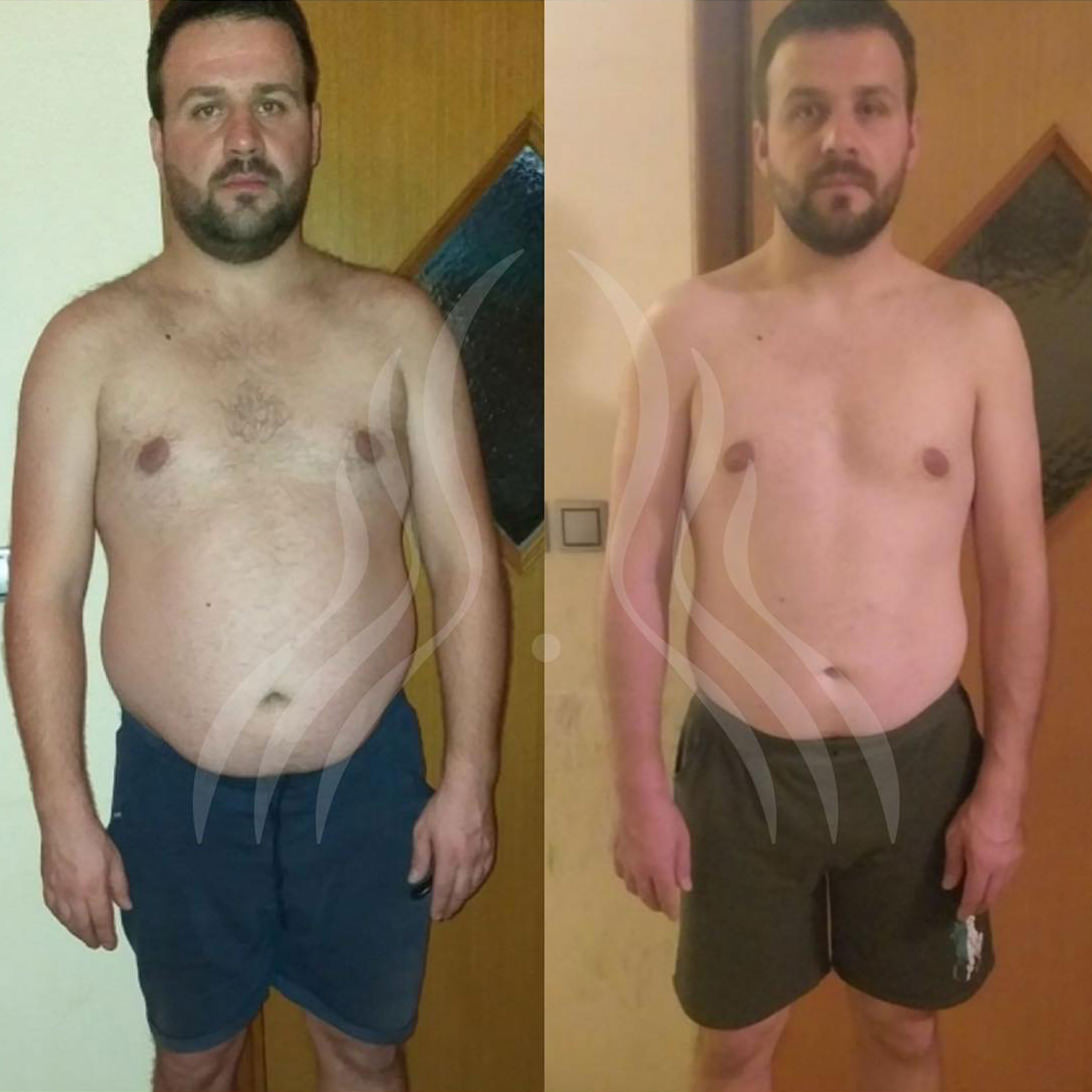
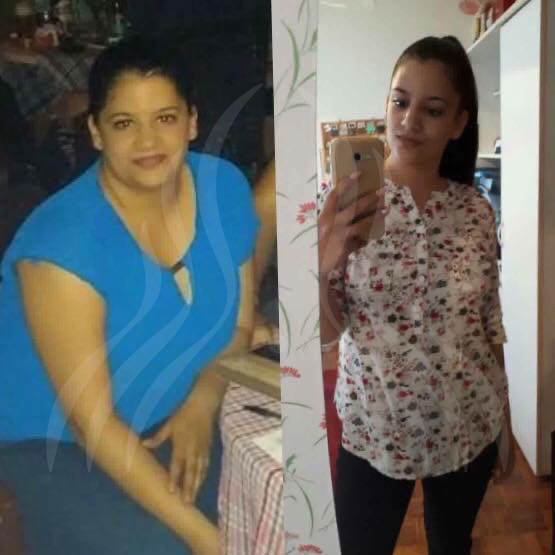
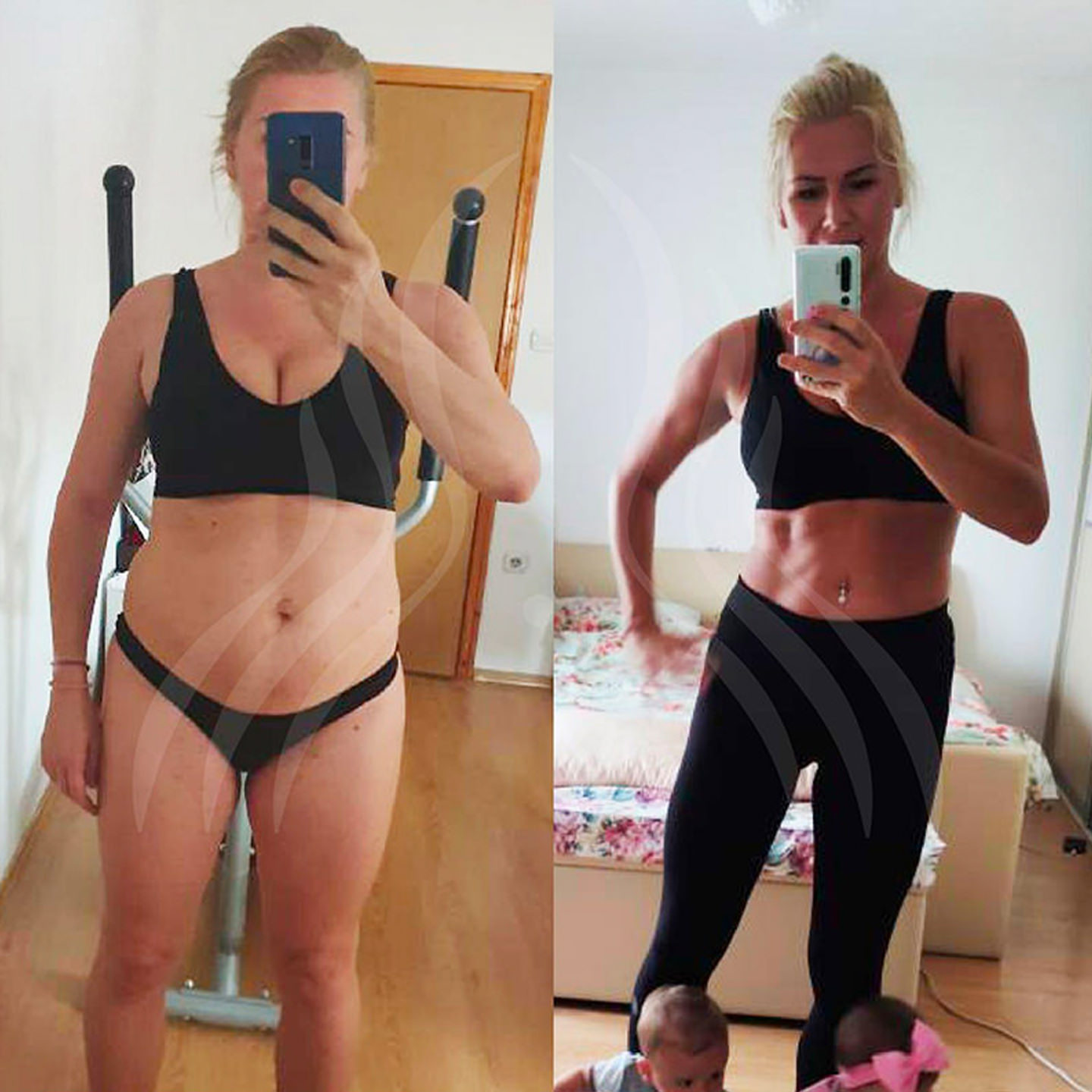
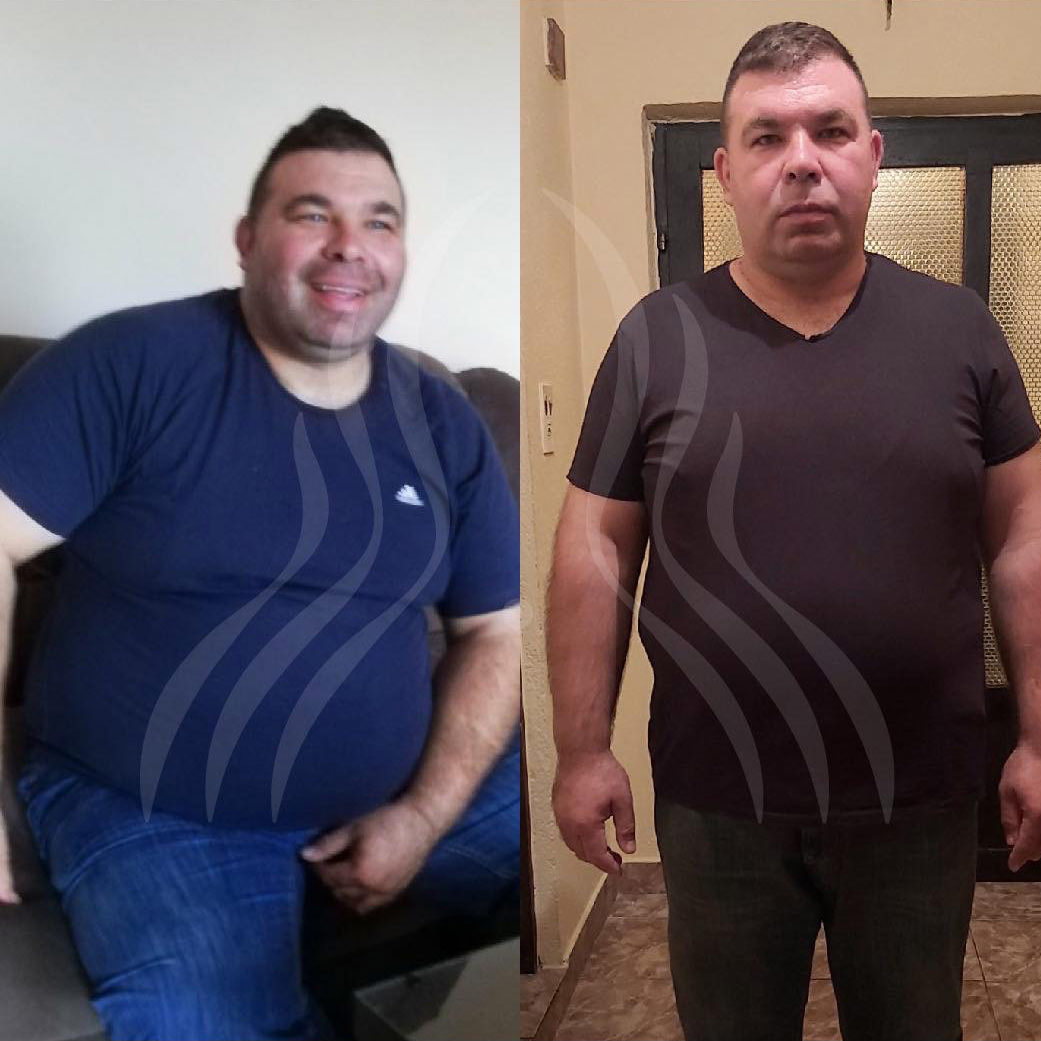


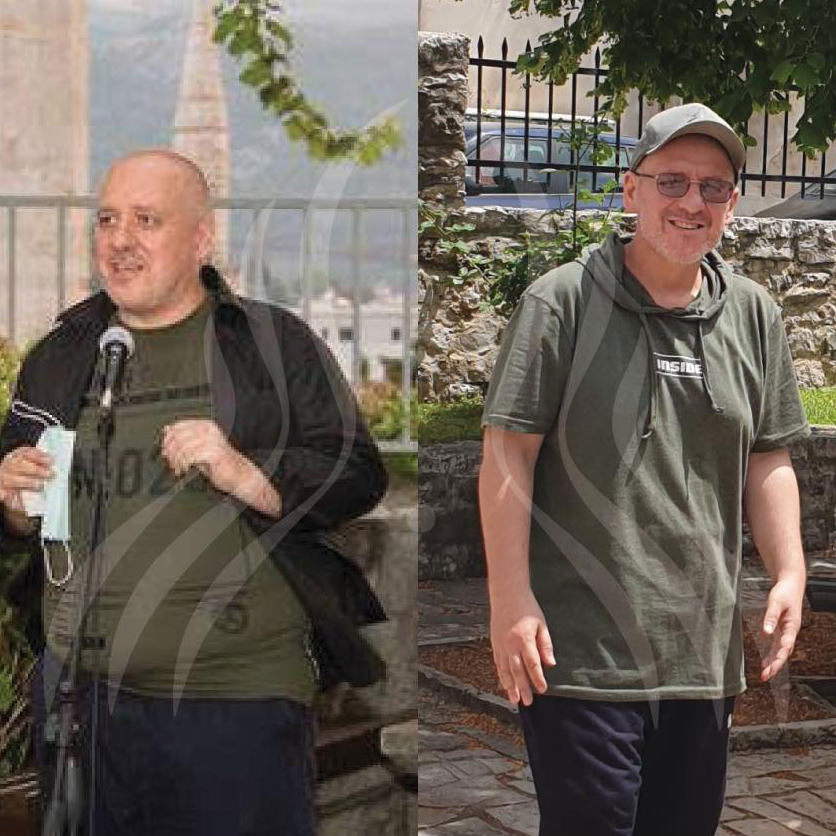
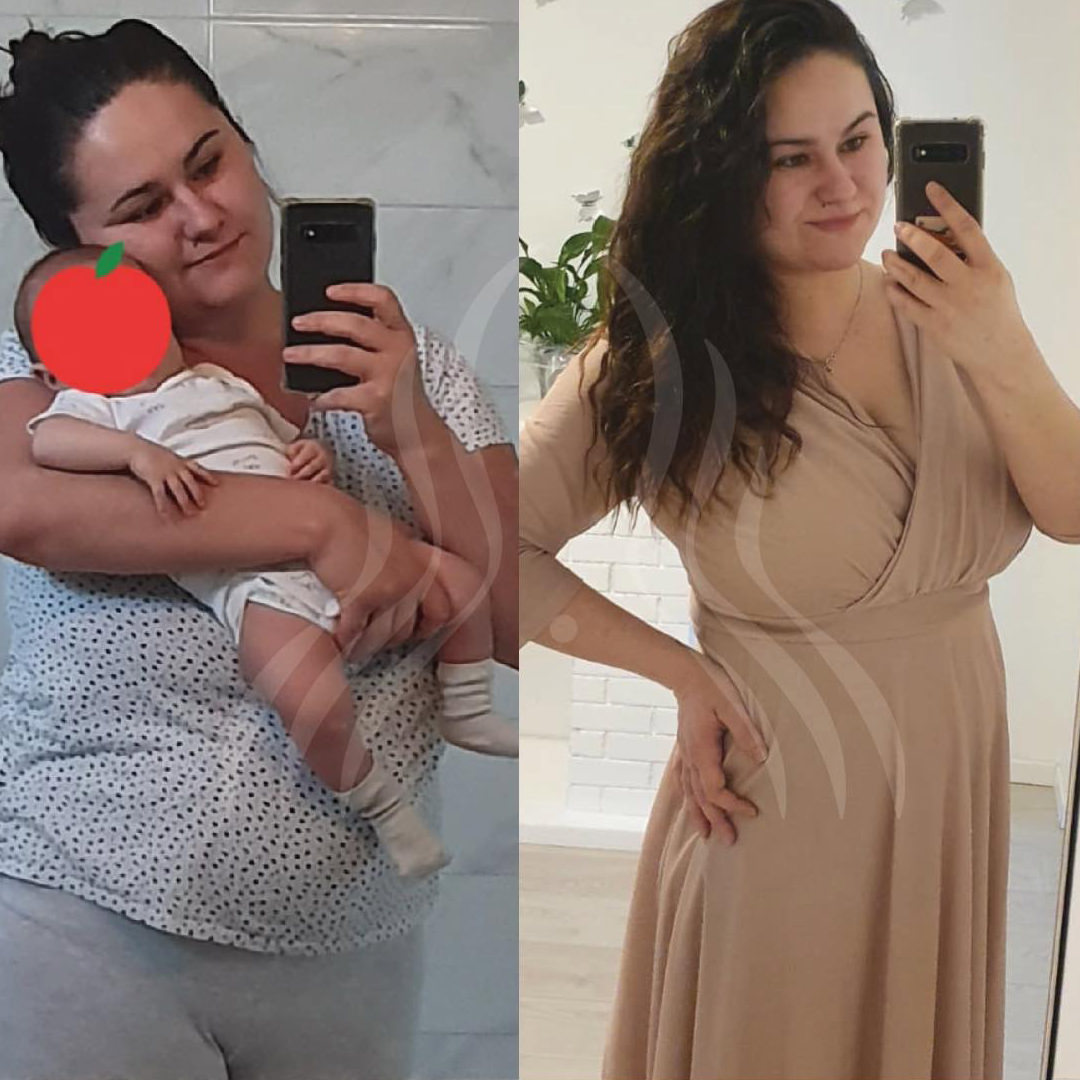
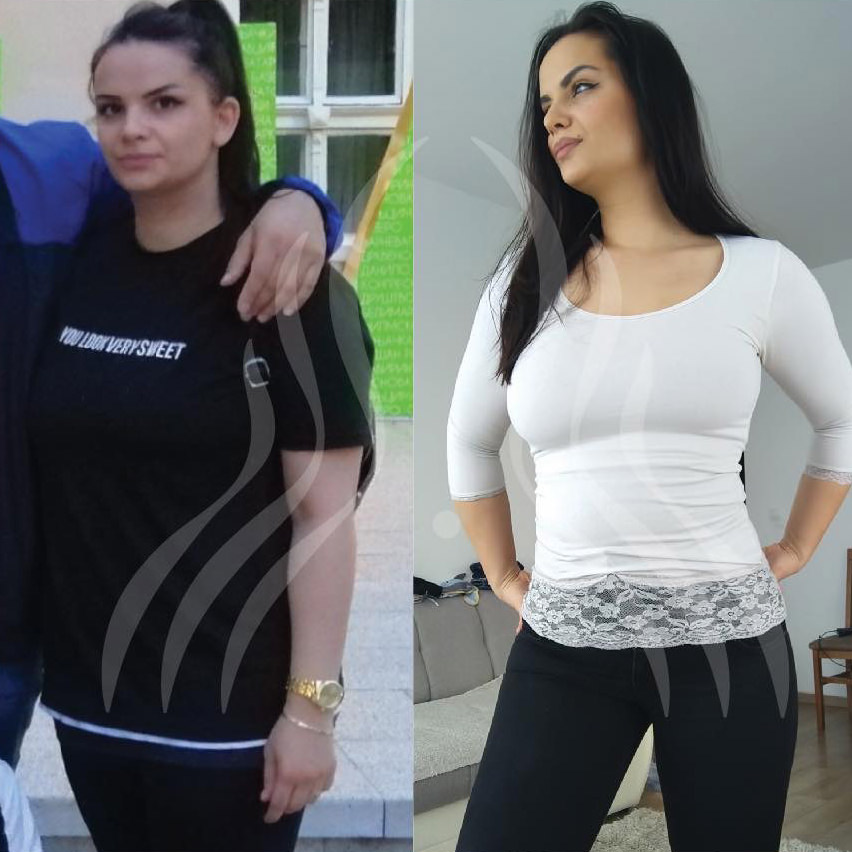
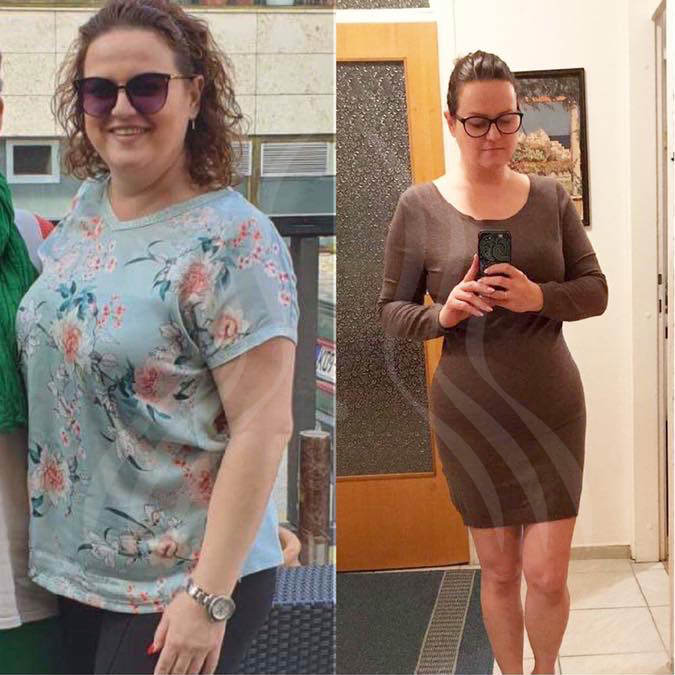
Photos are published with written consent.
Two ways to start.
- Lab result interpretation biochemistry and hormonal status interpreted by a council of medical professionals
- Medical nutrition therapy 14 complete menus designed around your lab results, 7 new ones every 14 days
- Supplementation (optional) simple supplement recommendations based on your results (vitamin D, omega 3…)
- Metabolic monitoring check-in measurements and a progress review every 7 days
- Home workout library 200 workouts for beginners, active and advanced exercisers
- CBT tasks for habit change psychological tasks that change habits, not just the menu
- Answers to every question questions to your mentor through the app, 5 days a week
- Appetite and emotional eating tracking a system that recognizes when hunger isn't hunger
- Nutrition education with every entry, the app measures the calories, nutrients and benefits of the meal
- Sleep, cycle and fluids tracking their effect on your results
- In-depth analysis a detailed progress report every 14 days
- Lab result interpretation biochemistry and hormonal status interpreted by a council of medical professionals
- Medical nutrition therapy 42 complete menus designed around your lab results, 7 new ones every 14 days
- Supplementation (optional) simple supplement recommendations based on your results (vitamin D, omega 3…)
- Metabolic monitoring check-in measurements and a progress review every 7 days
- Home workout library 200 workouts for beginners, active and advanced exercisers
- CBT tasks for habit change psychological tasks that change habits, not just the menu
- Answers to every question questions to your mentor through the app, 5 days a week
- Appetite and emotional eating tracking a system that recognizes when hunger isn't hunger
- Nutrition education with every entry, the app measures the calories, nutrients and benefits of the meal
- Sleep, cycle and fluids tracking their effect on your results
- In-depth analysis a detailed progress report every 14 days
Not sure yet?
Book a free consultation.
If Atika is known for anything, it's directness and honesty. That's why as many as 30% of introductory consultations end with us declining to work together. If your goal isn't in our domain, we refer you to someone else. If what you want isn't achievable from a medical standpoint, we explain what is. Our way of working doesn't fit what you want? We tell you openly. Neither of us wants to part ways unhappy.
So we ask you to have a free consultation before you buy, to find out whether we're a good match.
* The number of patients we take on each month is limited, so everyone gets the council's full attention. Book your slot in time.
Yes. Each month addresses a different part of the problem, so none can be skipped, and stable changes in lab results and in the body take at least 12 weeks of continuity. Cutting the protocol short on your own leads to the yo-yo effect, and often to worse symptoms.
There's no need to choose, because the team doesn't work by the program's name but by your lab results and medical history. This means every parameter, diagnosis, medical history, therapy and even hereditary predisposition to certain diseases (e.g. a family history of diabetes) is taken into account before the protocol is made.
Quite the opposite! When you work on weight loss and on correcting the condition that slows down and complicates it at the same time, our patients' experience is that results are faster, better and longer-lasting than on programs that deal only with a calorie deficit.
Lab results are mandatory, because without them working together is like wandering in the dark: we don't know what's wrong, how serious the situation is, or which direction to take. We don't ask for anything complicated: you do a complete blood count, and depending on your condition the doctor asks for a few more parameters.
No. Nutrition therapy, anti-stress techniques, gut microbiome health and physical activity optimize the whole body, making it stronger and more functional, acting strategically on imbalances, inflammation and hormones. Still, we are strongly against charlatan promises and claims that something cures every disease and changes medicine.
No. Atika protocols are for people who already have a diagnosis, lab results and therapy from their doctor, and who don't want to get lost in a sea of information online, but to save time, money and energy by having someone experienced choose the best direction for them. We don't make diagnoses and we don't alter therapies.
Access lasts as many weeks as you paid for, after which the platform locks automatically, and you can keep using it by paying a new membership. There are several ways to extend: paying for a new protocol, cheaper plans without a diet (if you already have meal plans) or using the app without the expert team.