Protocol for building muscle mass.
Protocol duration: 12 weeksMuscle doesn't grow for three reasons, and all of them are measurable. Below 1.6 grams of protein per kilogram of body weight a day, there's simply no growth. Two meals a day with snacking in between don't help, because muscle needs protein three to four times a day. And every muscle group needs at least two workouts a week, which in practice means about four workouts, while recreational lifters do two.
Building muscle usually comes down to a fitness diet: the trainer gives you macros, you track them and hope. In professional sport, you start from a full lab panel and then optimize everything that affects growth, from iron and vitamin D to the thyroid and recovery. We use the same approach.
That's why we created a protocol that gives recreational lifters the treatment professional athletes get.
Muscle isn't built
on empty.
When there are no results for months, the problem often isn't the training but what your blood work shows: low ferritin, a lack of vitamin D or B12, a sluggish thyroid, chronically low food intake. All of that slows recovery, so the body has nothing to build from.
That's why the council first analyses your blood work, a biochemist follows how the values move from one check-up to the next, and a dietitian and a master of nutrition build the plan around them. The protocol changes every 14 days, depending on how your body responds.
Internal statistics: when the diet is built around lab results, results come faster than on classic programs.

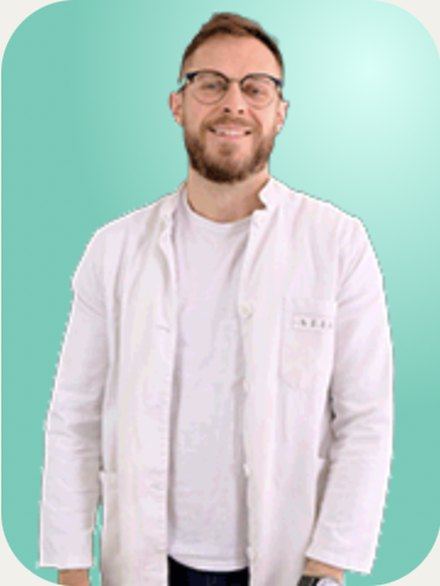
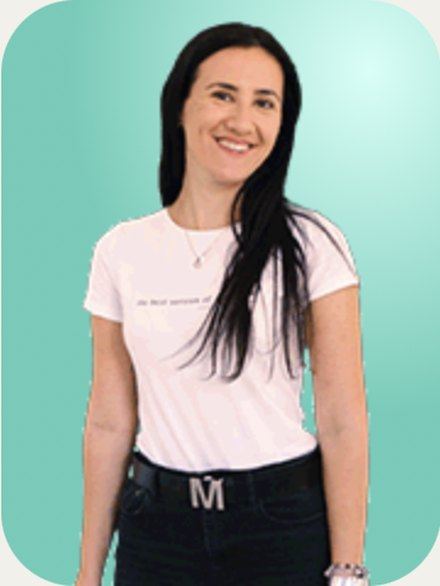
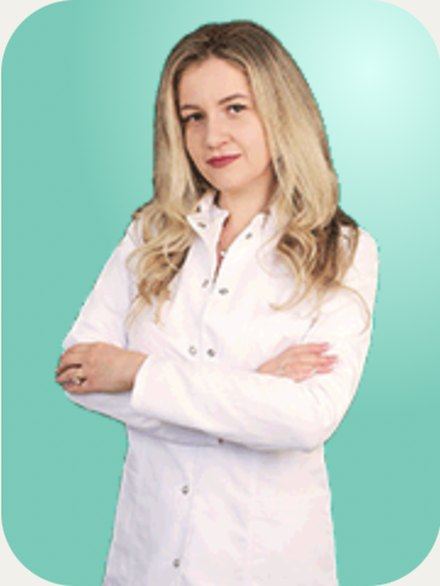
Meet the team for the 2026/2027 season
No templates. No ready-made diets.
Fast, practical, tailored to you.
Picture a blank sheet. That's what your program looks like on the day it's made. Then the team sits down and, based on your history, lab results and goals, food by food, meal by meal, method by method, puts together a protocol that leaves nothing to chance.
A food is too expensive? You mark it and we don't use it. Don't like cauliflower? It's not on your menu. Beyond being practical, every meal also has the job of providing enough protein for muscle growth, spread through the day, and a surplus that goes into muscle, not fat. What's hard to cover with food we top up with supplements, based on your blood work and actual intake, without guesswork and without one-size-fits-all packs.
Internal statistics: thanks to this method, 94 out of 100 Atika clients resist breaking the regime and reach their monthly goal.
You log symptoms and meals in the app. The team sees every entry.
A check-in measurement. If something isn't going to plan, we change it.
Seven new menus, so you don't plateau.
Fat goes fast.
Muscle builds slowly.
Fat starts to melt in the very first week, while muscle is built over months, in small gains you can't see from day to day. That's why consistency matters more here than in any other protocol: a few skipped workouts or weeks below your protein threshold are enough for progress to stall.
So the app tracks everything that affects it. It logs every workout and the gaps between them, and warns you if a break gets too long. It links your training to the analysis of your meals, so you see right away whether you hit your protein threshold that day. It tracks sleep, because muscle recovers at night, so after a week of bad sleep you can see why progress stopped. And so that consistency doesn't depend on willpower alone, there are fitness challenges in which you collect points, level up and win rewards.
Internal statistics: clients who track protein intake and sleep alongside training gain muscle mass faster than those who track training alone.
An app that remembers for you.
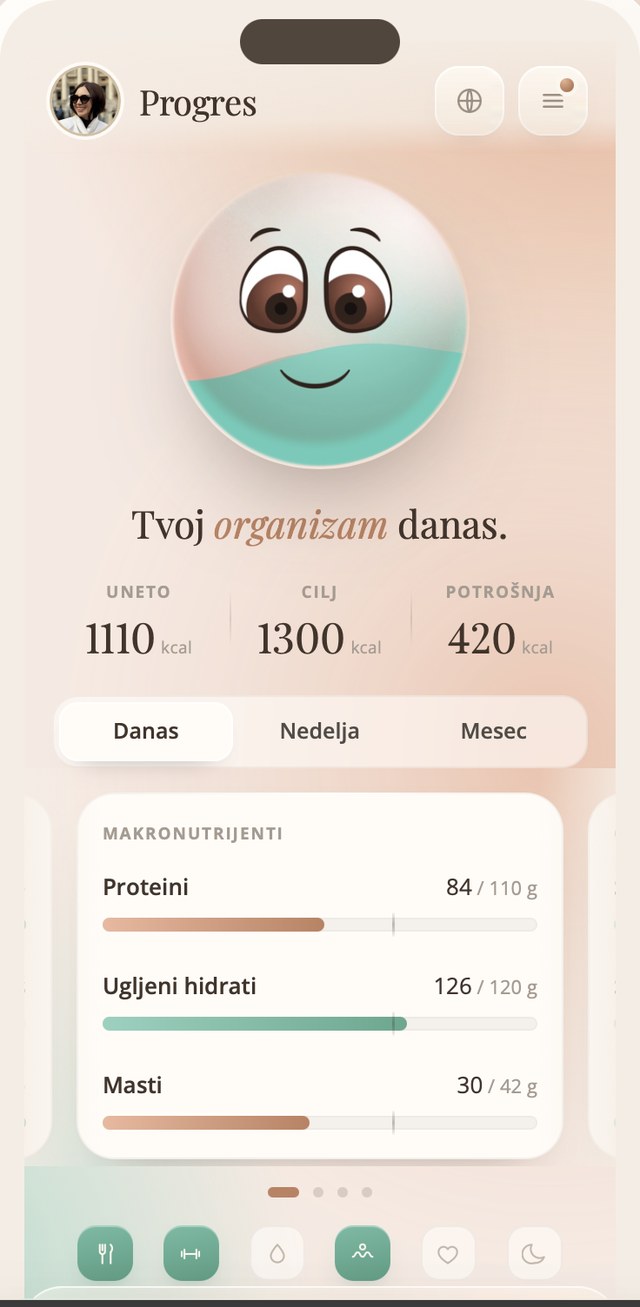
- logs the intensity and type of hunger during the day
- separates emotional from physical hunger
- detects changes in digestion and cycle
- challenges for better discipline
- analyses how each meal affects you
- remembers progress week after week
Two ways
to train.
At home. From a library of 200 workouts, matched to your fitness and the time you have (25, 30 or 45 minutes), you get ready-made workouts for every week. They use your own body weight, so they're a great start, but for serious muscle growth we recommend combining them with the gym, because lifting weights is what builds the most.
At the gym. You get a template for putting together your workouts, filled with exercises from the video library. Each exercise has a short explanation of how to set up the machine and how to perform the movement with proper technique, and alongside it you log weights and reps, so all your progress is in one place.
Fifteen years without marketing. Our patients do the talking.
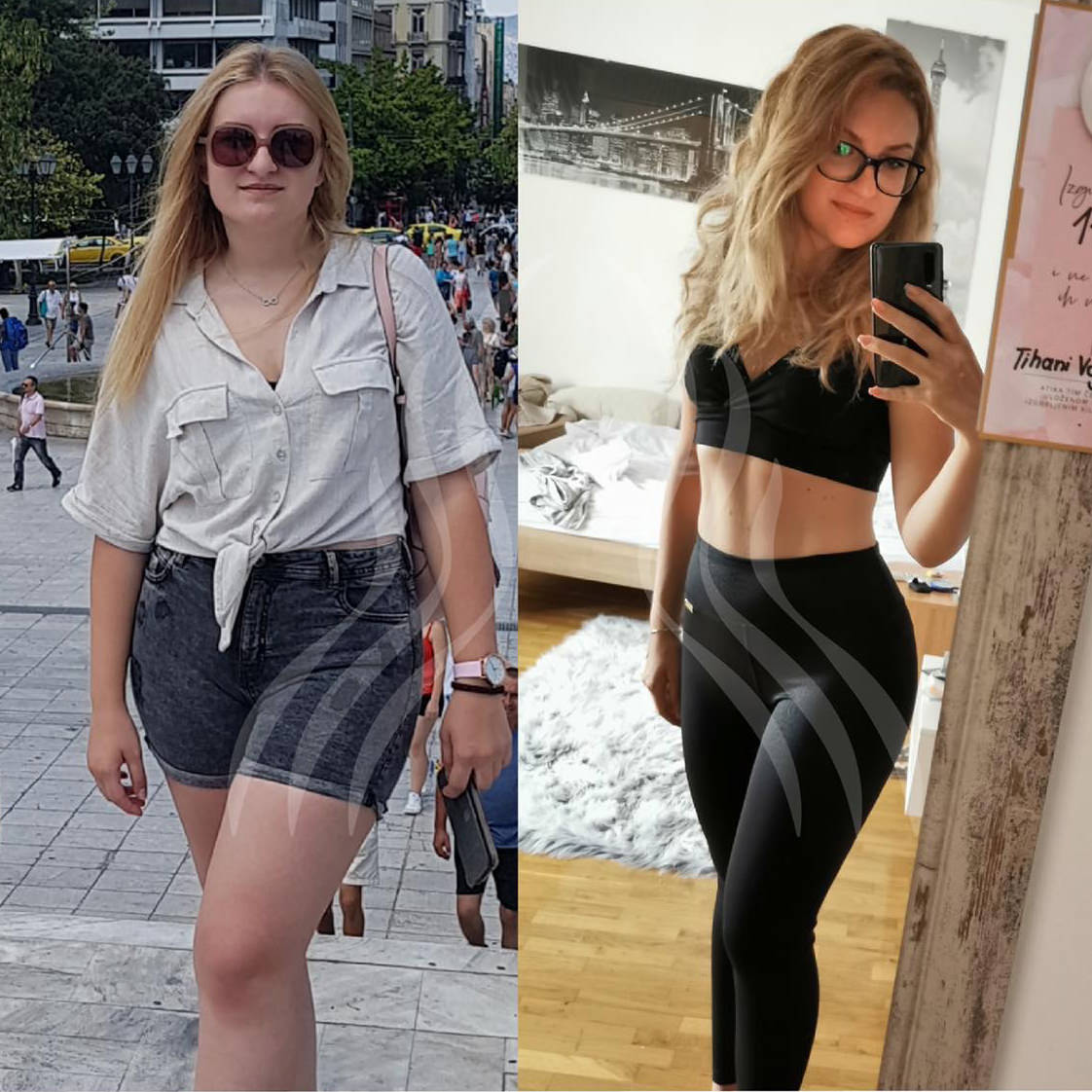
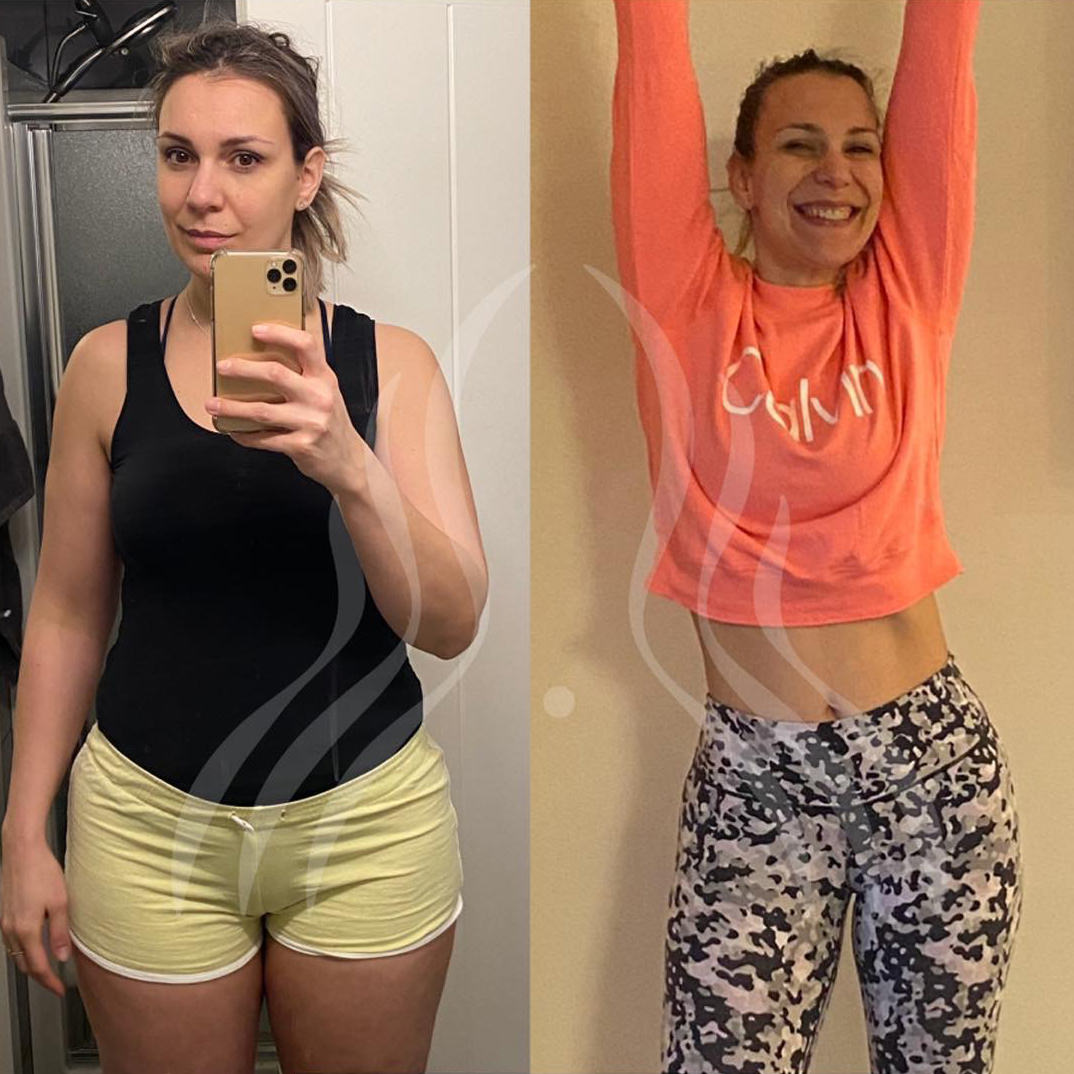
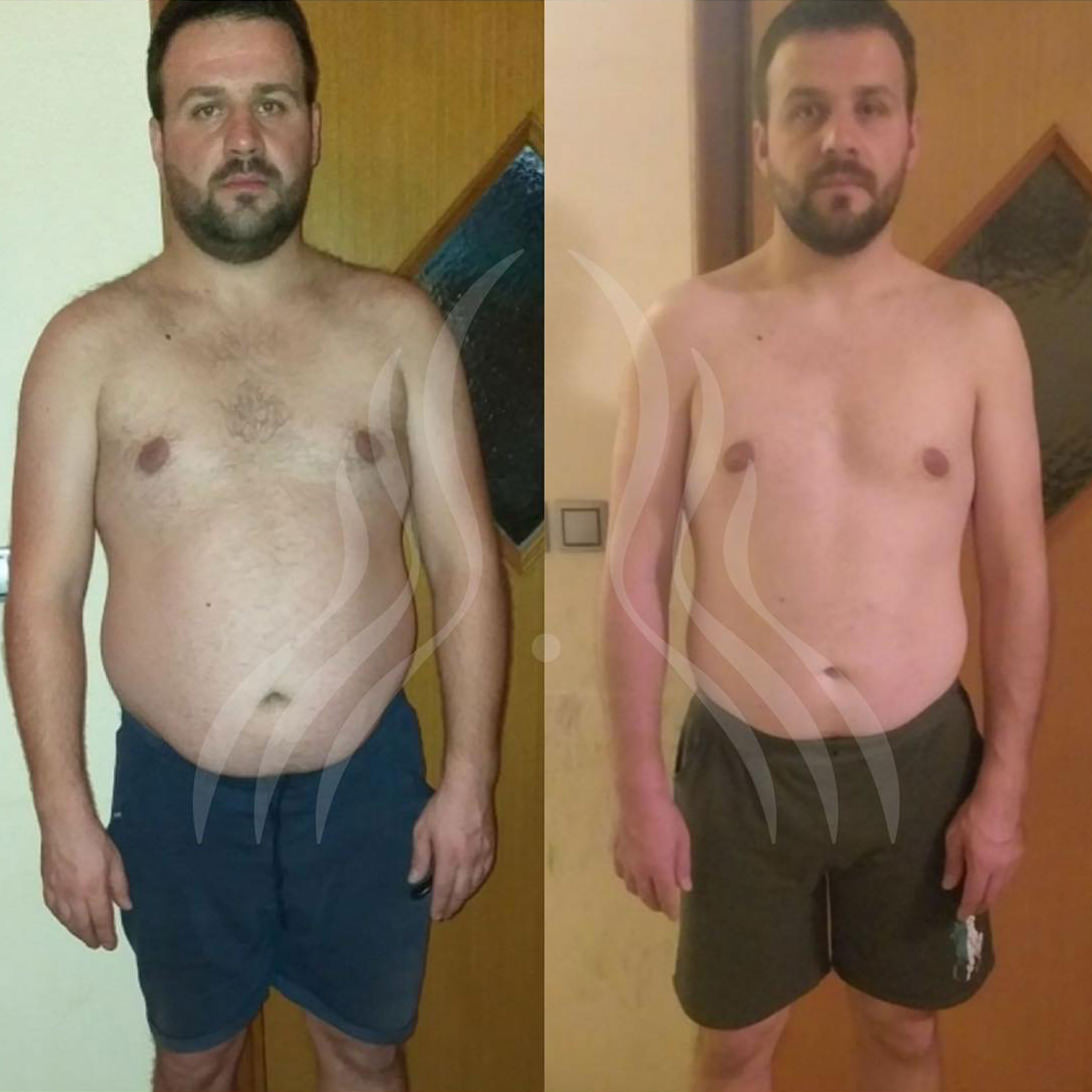
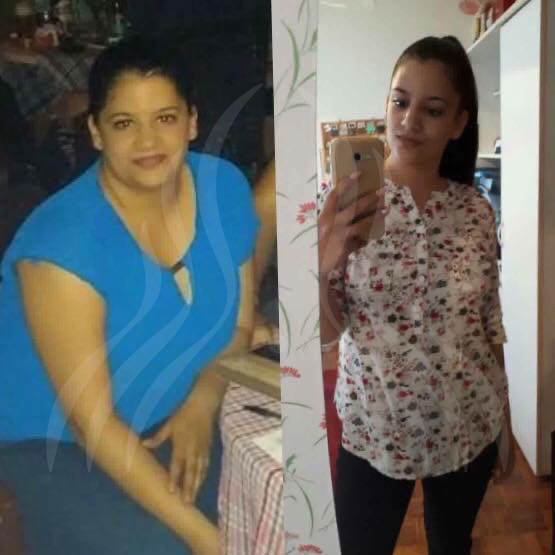
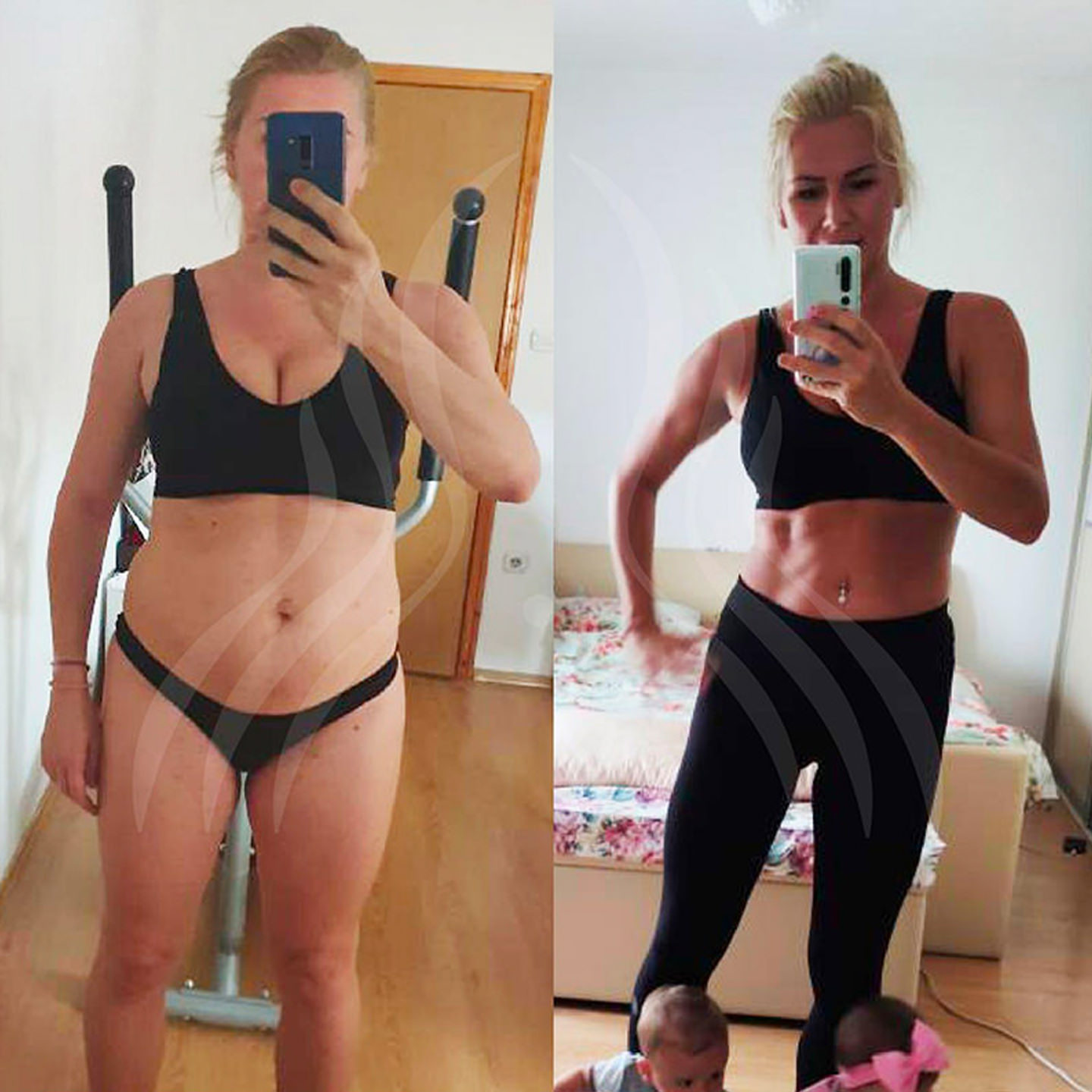
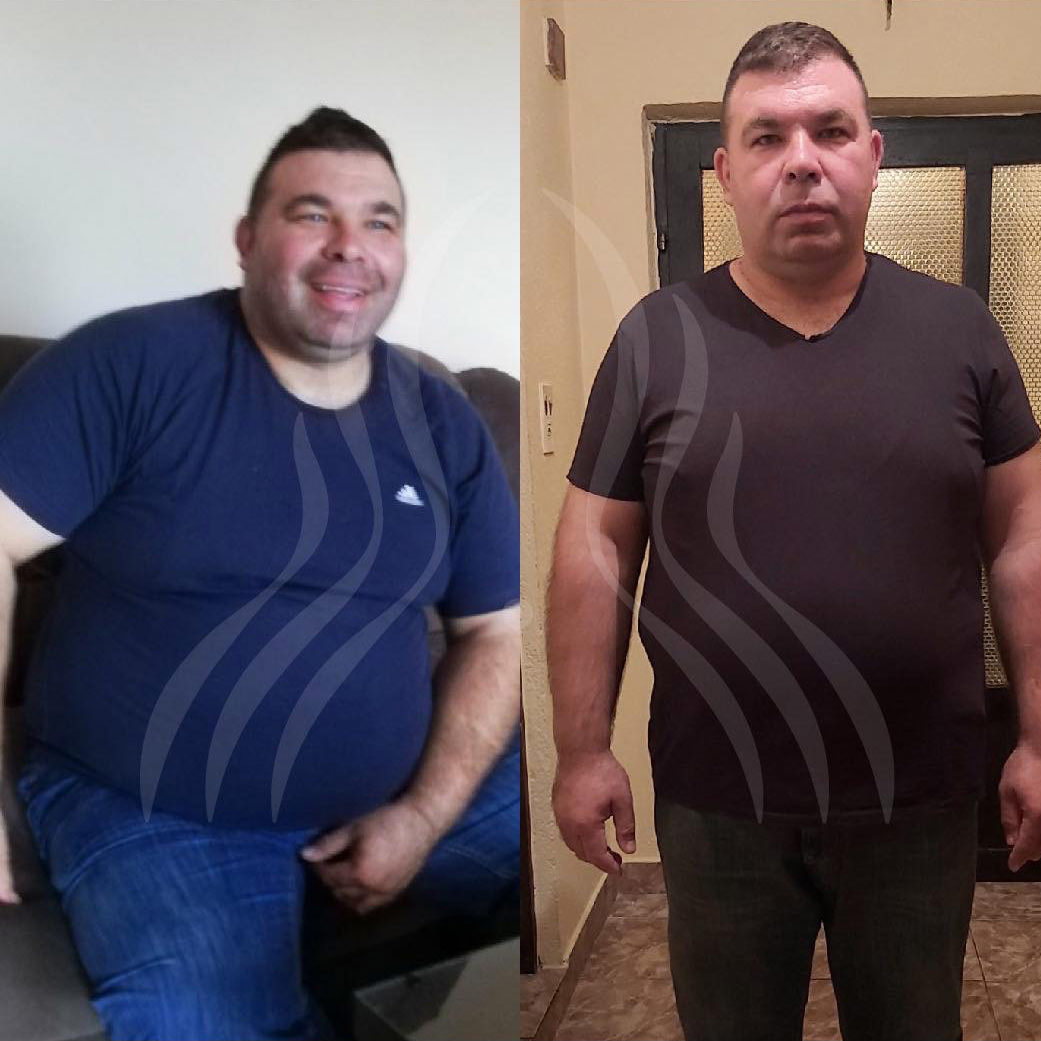

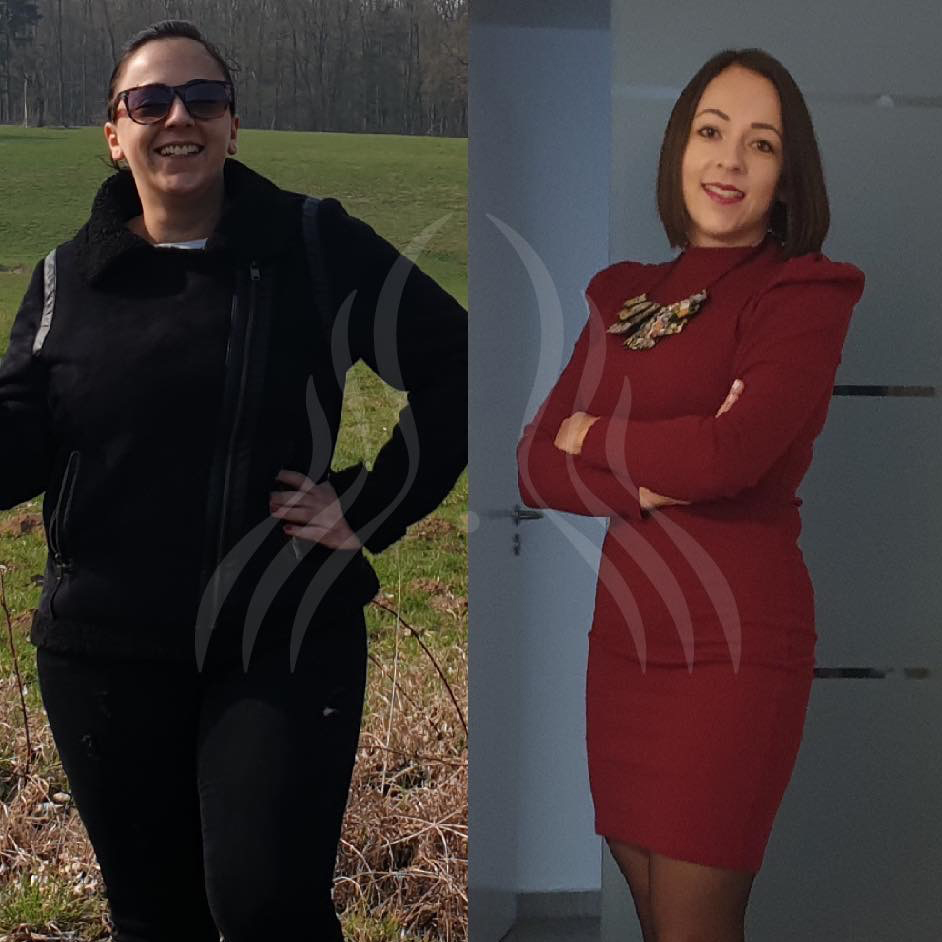
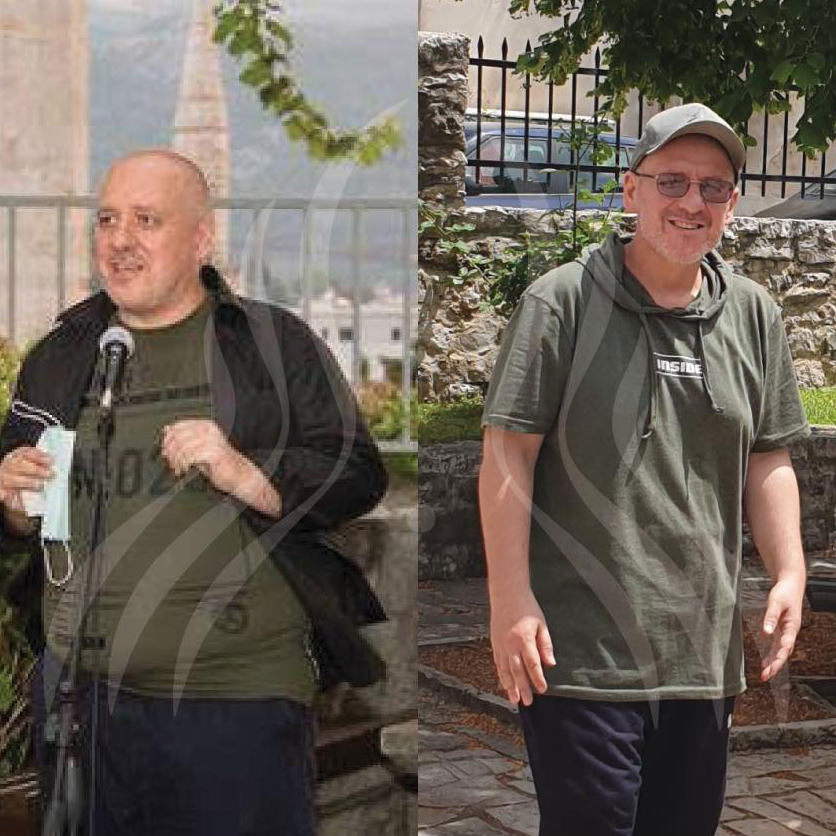
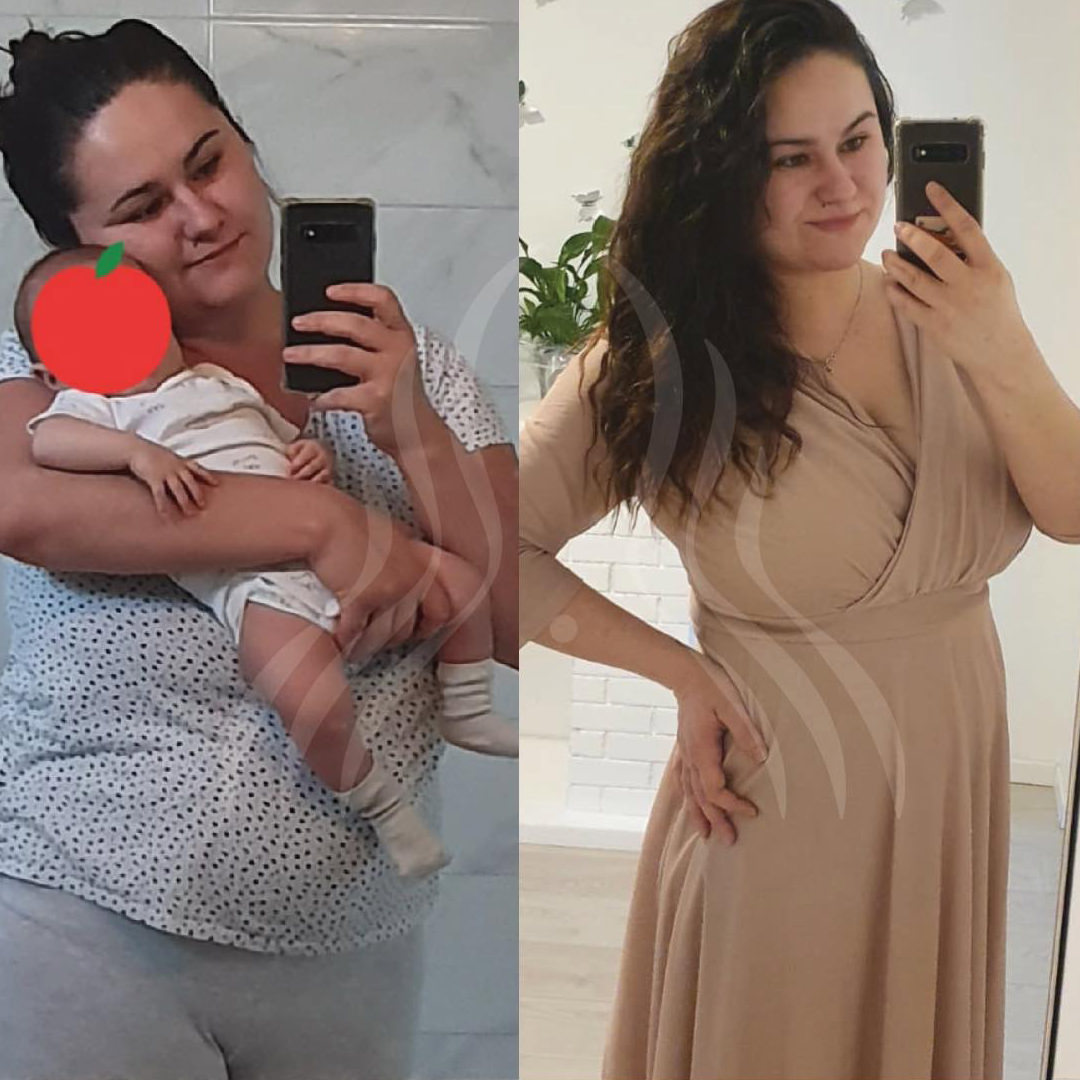
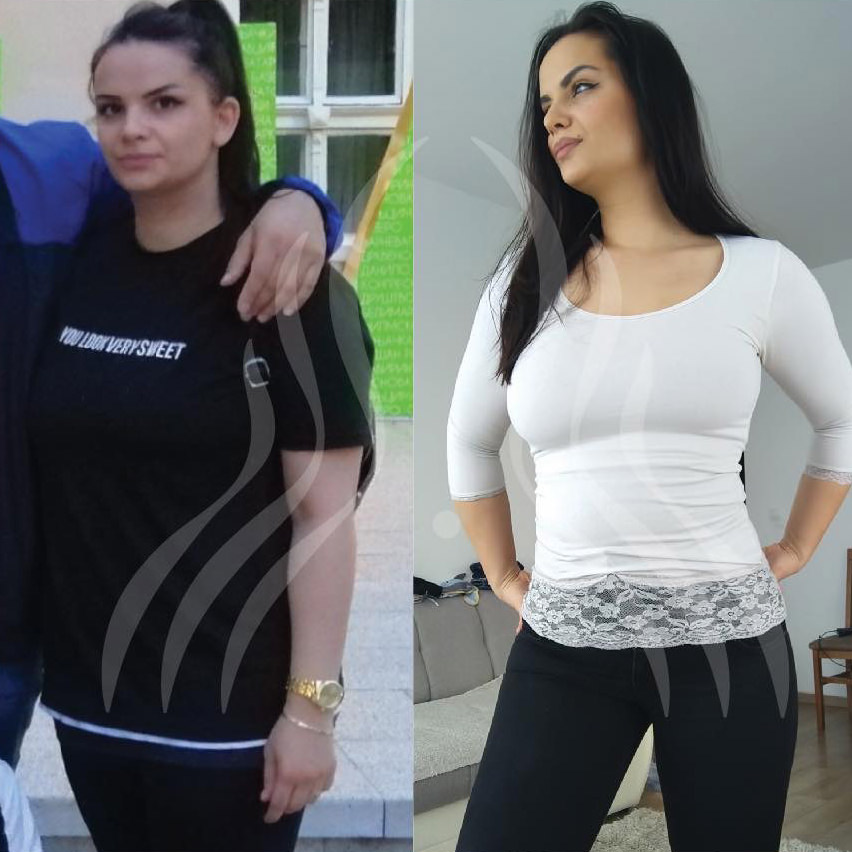
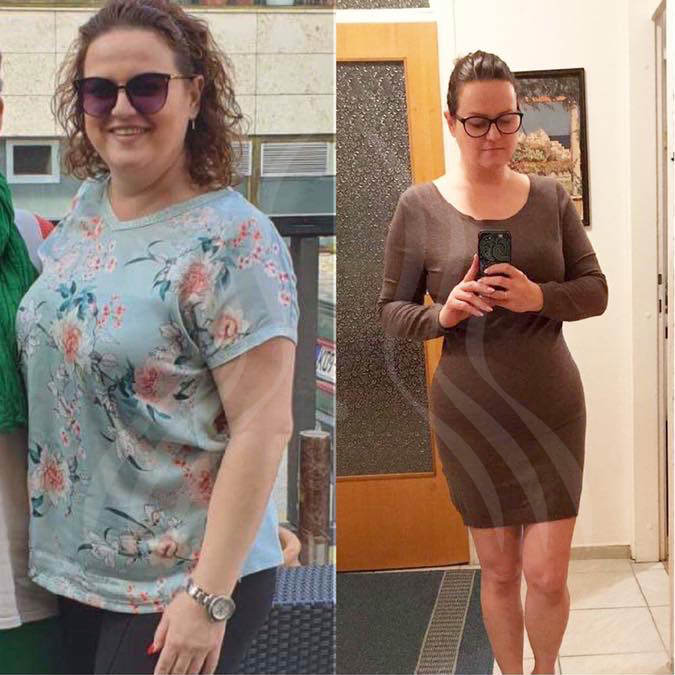
Photos are published with written consent.
Two ways to start.
- Lab result interpretation biochemistry and hormonal status interpreted by a council of medical professionals
- Medical nutrition therapy 14 complete menus designed around your lab results, 7 new ones every 14 days
- Supplementation (optional) simple supplement recommendations based on your results (vitamin D, omega 3…)
- Metabolic monitoring check-in measurements and a progress review every 7 days
- Home workout library 200 workouts for beginners, active and advanced exercisers
- CBT tasks for habit change psychological tasks that change habits, not just the menu
- Answers to every question questions to your mentor through the app, 5 days a week
- Appetite and emotional eating tracking a system that recognizes when hunger isn't hunger
- Nutrition education with every entry, the app measures the calories, nutrients and benefits of the meal
- Sleep, cycle and fluids tracking their effect on your results
- In-depth analysis a detailed progress report every 14 days
- Lab result interpretation biochemistry and hormonal status interpreted by a council of medical professionals
- Medical nutrition therapy 42 complete menus designed around your lab results, 7 new ones every 14 days
- Supplementation (optional) simple supplement recommendations based on your results (vitamin D, omega 3…)
- Metabolic monitoring check-in measurements and a progress review every 7 days
- Home workout library 200 workouts for beginners, active and advanced exercisers
- CBT tasks for habit change psychological tasks that change habits, not just the menu
- Answers to every question questions to your mentor through the app, 5 days a week
- Appetite and emotional eating tracking a system that recognizes when hunger isn't hunger
- Nutrition education with every entry, the app measures the calories, nutrients and benefits of the meal
- Sleep, cycle and fluids tracking their effect on your results
- In-depth analysis a detailed progress report every 14 days
Not sure yet?
Book a free consultation.
If Atika is known for anything, it's directness and honesty. That's why as many as 30% of introductory consultations end with us declining to work together. If your goal isn't in our domain, we refer you to someone else. If what you want isn't achievable from a medical standpoint, we explain what is. Our way of working doesn't fit what you want? We tell you openly. Neither of us wants to part ways unhappy.
So we ask you to have a free consultation before you buy, to find out whether we're a good match.
* The number of patients we take on each month is limited, so everyone gets the council's full attention. Book your slot in time.
Yes. Muscle isn't built in four or eight weeks, and lab results don't have time to shift either. Twelve weeks is the shortest period in which the change shows both in your body and in your results.
Research says that under ideal conditions it's about 1 to 1.5 kilograms a month for men and about half a kilogram for women, and that's in the first year of training, when the body is most responsive to the stimulus. After that the pace drops, so experienced lifters gain about half as much. It sounds modest, but the difference in how you look is big, because a kilogram of muscle changes the shape of your body far more than a kilogram of fat.
You can, because the protocol is built around your goal. If you want to lose fat while building muscle, your intake is set up that way; if you want to gain weight, you go into a surplus. You tell us your goal, and the team builds a plan that gets you there.
Yes. The protocol is built around you, so every diagnosis, therapy and lab result is taken into account. Still, the protocol does not make diagnoses and is not a replacement for treatment and therapy.
Yes, and it's the most common case. Beginner workouts are picked from the library to match your level, with basic movements and a load that only goes up once your technique is solid.
Lab results are mandatory, because without them working together is like wandering in the dark: we don't know what's wrong, how serious the situation is, or which direction to take. We don't ask for anything complicated: you do a complete blood count, and depending on your condition the doctor asks for a few more parameters.
Access lasts as many weeks as you paid for, after which the platform locks automatically, and you can keep using it by paying a new membership. There are several ways to extend: paying for a new protocol, cheaper plans without a diet or using the app without the expert team.